Mumbai: a city guide for patients and companions
Mumbai is a long, narrow city where a short distance on the map can mean a long ride. Knowing which part of the city your hospital is in, and how the monsoon affects travel, will make your stay much easier.
General information, not medical advice. Follow your treating doctor on anything about your health, medicines or when you can travel. Prices are approximate ranges, checked in November 2026, and change often. Confirm before you pay.
Watch
Captions where the publisher provides them. Video in English. Plays from YouTube in privacy-enhanced mode. Nothing loads from YouTube until you press play.
Overview
Mumbai sits on a peninsula, with the old city in the south and the suburbs stretching north. Most journeys run north to south, along a few busy roads and three suburban rail lines. Across the harbour lies Navi Mumbai, a planned city with its own hospitals and its own airport. Together these form the MMRMumbai Metropolitan Region: Mumbai city plus nearby cities such as Thane and Navi Mumbai.
For patients, the main advice is to stay close to your hospital. Your hospital’s international patient desk can tell you which areas its patients usually use and how long the trip takes at clinic hours.
Hospital districts
Mumbai’s large hospitals are spread out rather than grouped in one place. These are areas, not recommendations. Compare hospitals on our hospitals page and ask each one for a written treatment plan.
- Central Mumbai: Parel, Mahalaxmi and nearby areas, home to several long-established hospitals, including specialist cancer care.
- Western suburbs: Andheri, Goregaon, Bandra and nearby areas, convenient for the airport.
- Eastern suburbs: Powai and Mulund, with newer hospitals and many serviced apartments.
- Navi Mumbai: Vashi, Nerul, Kharghar and nearby areas, often quieter and with lower rents.
Where to stay
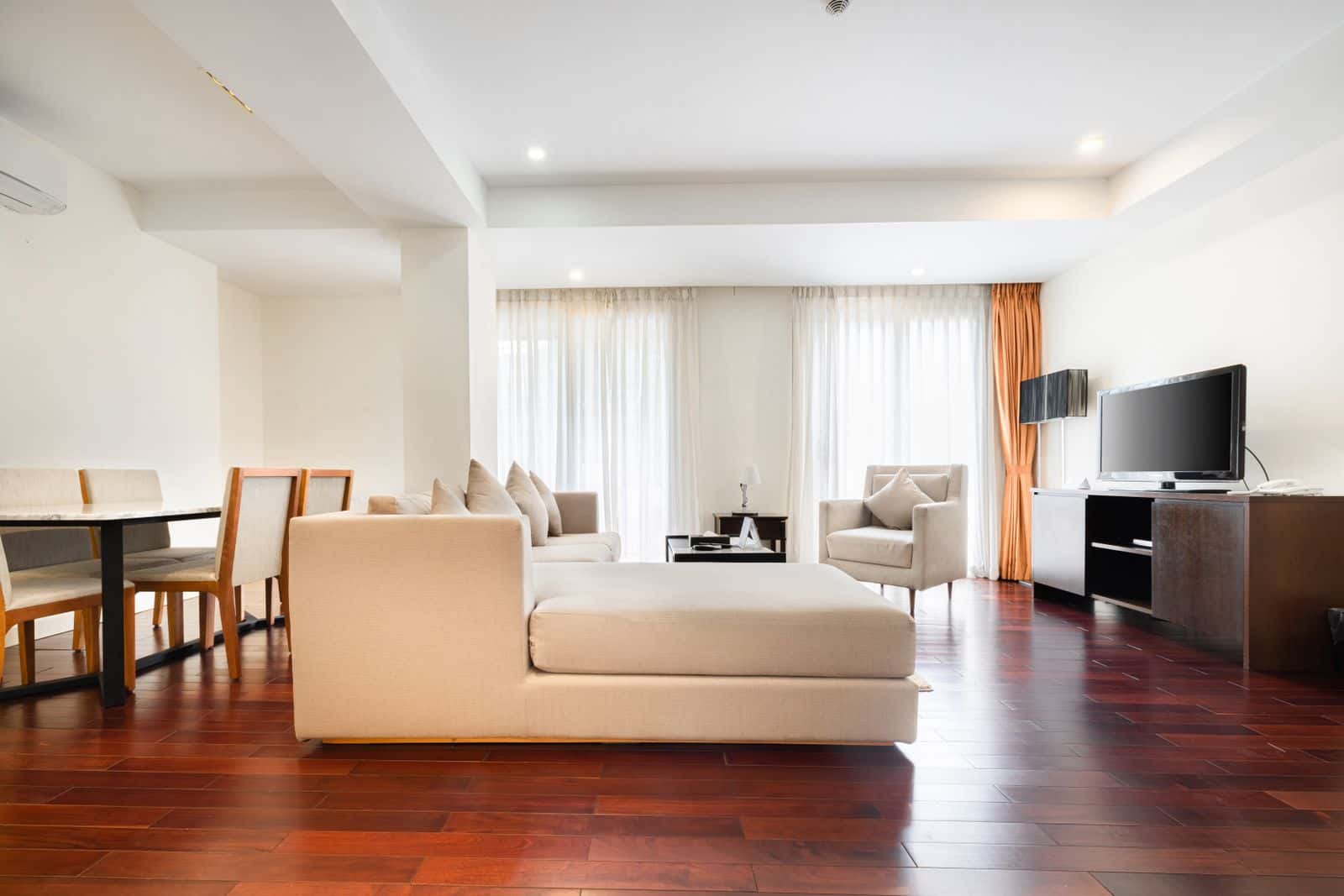
Rents in Mumbai are high, so many families choose a small serviced apartment or a guest house close to the hospital. Apartments with a kitchen help on long stays. See our where to stay guide for what to ask before you pay. Before you book, ask for recent photos of the actual room, the lift and the bathroom, and confirm in writing whether the price includes daily cleaning, fresh linen, Wi-Fi and airport pick-up. Ask how long the trip to the hospital entrance takes at rush hour, in minutes rather than kilometres, and whether a pharmacy and a grocery shop are within walking distance.
Before you book a room in Mumbai
- Check the travel time to the hospital at clinic hours, not late at night.
- Ask whether the street floods in heavy rain if you are coming between June and September.
- Check that there is a working lift, and a generator or power backup.
- Ask if the stay is registered to host foreign guests and files the Form Cthe online form a hotel or guest house uses to report a foreign guest’s stay to the immigration authorities for you.
- Save the address in English and Marathi or Hindi for drivers.
If your hospital is in central Mumbai, areas such as Parel, Dadar and Byculla have older buildings and smaller rooms but short trips. Near the western suburbs hospitals, Andheri and Santacruz suit families who want to be close to the airport. Powai has many serviced apartments around the lake. In Navi Mumbai, rooms are usually larger for the price, but check the trip time if you will also need appointments in Mumbai itself, as crossing the harbour can be slow at peak hours.
Mumbai buildings often have security guards and visitor registers. Tell the guard your flat number and carry a copy of your passport when you first arrive.
Getting there and around
Most international patients land at Chhatrapati Shivaji Maharaj International Airport (CSMIAthe main Mumbai airport, in the suburb of Santacruz and Sahar). Terminal 2 handles international flights and many domestic ones; Terminal 1 is domestic. Check your ticket, because the two terminals are far apart by road. Navi Mumbai International Airport opened in December 2025 and mainly handles domestic flights for now.
The suburban railway (the “locals”) has three main lines: Western, Central and Harbour. Trains are fast and cheap but extremely crowded at rush hour. They are not suitable for a patient after surgery. Some trains have air-conditioned coaches, and every train has coaches reserved for women.
The Mumbai Metro has grown quickly. Lines in service include Line 1 (Versova–Andheri–Ghatkopar), Lines 2A and 7 in the western suburbs, and Line 3, the Aqua Line, an underground line running from Aarey through the airport area and Bandra Kurla Complex to Cuffe Parade in the south. The Aqua Line has stations close to both airport terminals. Sections of further lines opened in 2026. The Mumbai monorail has been suspended for upgrades since September 2025, so check before planning to use it.
| Option | Good for | Things to know |
|---|---|---|
| Prepaid or app taxi | Arrival, hospital visits with a patient | Use official airport pickup zones; traffic can be slow. |
| Metro (Lines 1, 2A, 7, Aqua Line) | Airport, Bandra Kurla Complex, western suburbs, south Mumbai | Air-conditioned, lifts at most stations, less crowded than local trains. |
| Suburban local trains | Fit companions on long north–south trips | Very crowded at peak times; avoid with a patient. |
| Autorickshaws | Short trips in the suburbs | Not allowed in south Mumbai; use black-and-yellow taxis or app cabs there. |
| Hospital transport | Discharge days and check-ups | Ask the international desk; some hospitals can arrange it. |
For more on tickets, cards and apps, read getting around.
Monsoon and weather
Mumbai is warm and humid all year. The southwest monsoonthe main rainy season in western India, arriving around June and easing by late September brings very heavy rain. On the worst days, low-lying roads and underpasses flood, local trains slow down or stop, and flights may be delayed. The India Meteorological Department issues colour-coded weather warnings that local news repeats.
If an orange or red rain alert is issued, call the hospital before setting out. Ask whether your appointment can move, and allow extra time. Do not walk through floodwater, which can hide open drains and carry infection, especially with a fresh wound.
| Months | What to expect |
|---|---|
| October to February | Drier and more comfortable; the most popular time to visit. |
| March to May | Hot and humid. |
| June to September | Monsoon: heavy rain, flooding on some days, travel delays. |
Air quality in Mumbai is usually better than in north Indian cities, as sea breezes help, but it can be poor on some winter days. Check the official CPCB AQI and read our air quality guide and weather and seasons guide.
Food
Mumbai has food from every part of India and many other countries. Vegetarian Gujarati and Maharashtrian meals, South Indian dishes, and seafood are everywhere. Halal food is easy to find, especially around Mohammed Ali Road, Bandra and many suburbs. Vegetarian-only restaurants are common and clearly signed.
Street food is part of the city’s life, but patients should be careful. Follow the diet from your treating team, drink sealed or filtered water, and see our food and water guide.
Traffic and safety
Roads are busiest on weekday mornings and evenings, and the monsoon makes everything slower. The Bandra–Worli Sea Link and coastal road help on some north–south trips. Mumbai is generally considered safe for visitors, but take the usual care with phones and bags in crowds and on trains.
- In an emergency, call 112. In most states, including Maharashtra, 108 is the emergency ambulance number.
- Use app cabs at night and share your trip with family.
- Keep the hospital’s international desk number saved in your phone.
Read traffic and safety and keep our emergency page handy.
Questions people ask
Which airport should I fly into?
Most international flights use Chhatrapati Shivaji Maharaj International Airport, Terminal 2. If your hospital is in Navi Mumbai, check whether a domestic connection into Navi Mumbai International Airport is easier.
Can a patient use the local trains?
It is not a good idea. Local trains are very crowded at most hours. Use a taxi, an app cab, the metro or hospital transport instead.
Should I avoid the monsoon months?
Treatment continues all year, but travel is harder from June to September. If your treatment date is flexible, ask your doctor whether October to February suits you.
Where do I start with visas?
Read our visa guide for the e-Medical and Medical Attendant visas, then use the checklist.
Sources
Official and reputable sources used for this guide. Links go to the original pages, which may be in English.
- Adani Airports: Mumbai (CSMIA) and Navi Mumbai airports
- Mumbai Metro Rail Corporation: Line 3 (Aqua Line)
- MMRDA: Mumbai Metro and Monorail
- Western Railway: Mumbai suburban services
- India Meteorological Department: Mumbai regional centre
- Central Pollution Control Board: National Air Quality Index
- Emergency Response Support System (112 India)
Facts last checked: November 13, 2026
This is general information, not medical advice. Your own doctor decides what is right for you.
Want to talk about your own case?A care manager reads your reports and sends a written plan and quote. Sharing reports does not commit you to travel.