Traffic and personal safety in Indian cities
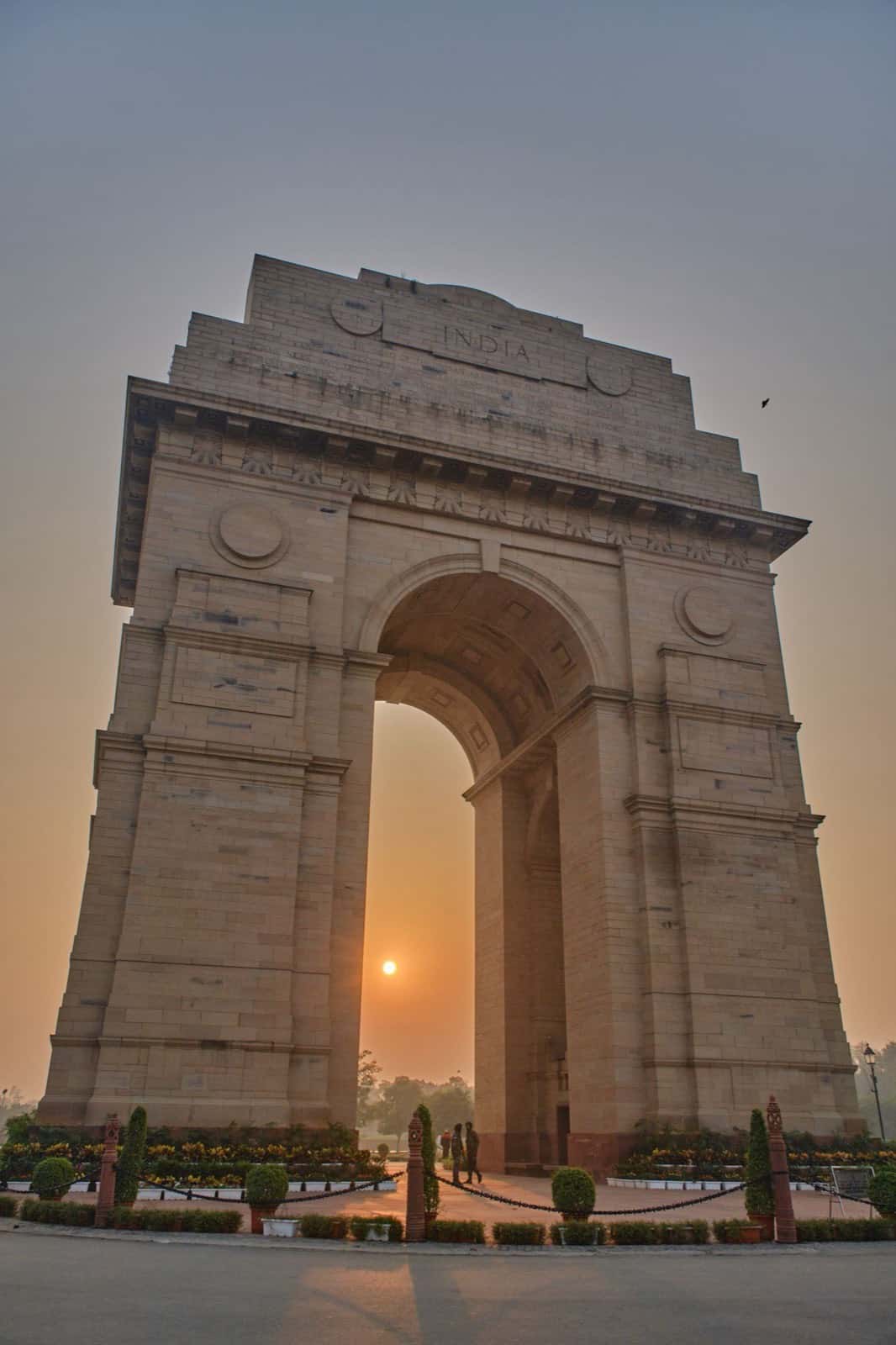
India is a welcoming country, and most visitors have no trouble at all. The two things that surprise people most are the traffic and the occasional tout. A little preparation makes both easy to handle, and knowing the right numbers means help is a call away.
General information, not medical advice. Follow your treating doctor on anything about your health, medicines or when you can travel. Prices are approximate ranges, checked in November 2026, and change often. Confirm before you pay.
Realistic travel times
Big Indian cities are busy, and road journeys often take longer than the distance suggests. In the TomTom Traffic Index for 2025, an average 10 km drive in Bengaluru took about 36 minutes. Delhi, Mumbai, Kolkata, Chennai and Hyderabad also have heavy traffic at peak times.
- Peak hours are usually the morning and evening office rush on weekdays. Roads are often calmer late at night and early on weekend mornings.
- Rain slows everything down. During the monsoon, a heavy shower can double a journey time or close low-lying roads.
- Festivals, rallies and VIP movements can close roads with little notice.
- Airport trips need the most buffer. Leave earlier than a map app suggests, especially for early-morning or evening flights.
For hospital appointments, check the drive time on a map app at the hour you will travel, then add a margin. Tell the hospital if you are running late; most appointment desks would rather know.
For patients, a long, stop-start drive can be tiring and uncomfortable. Choosing a place to stay close to the hospital in travel time, not just in distance, saves energy for recovery. See where to stay for more on choosing a location.
Road safety
Traffic in India drives on the left. Vehicles of every size share the road, including two-wheelers, auto-rickshaws, cycles, carts and sometimes animals. Horns are used to say “I am here”, not usually in anger.
Crossing the road
- Use foot bridges, subways, pedestrian signals and zebra crossings where they exist, even if it means walking further.
- Look both ways more than once. Two-wheelers sometimes ride against the traffic or on the edge of the road.
- Cross with a group of local people if you are unsure, keeping to a steady pace.
- After surgery, or with a walker or wheelchair, avoid crossing busy roads at all. Ask your driver to drop you at the door.
In a car
Wear a seat belt in every seat. Under Rule 138(3)a rule in the Central Motor Vehicles Rules that requires people in the front and in front-facing rear seats to wear seat belts, rear-seat passengers must belt up as well as those in front. Some taxis have belts tucked under the seat; ask the driver to find them. If the driver goes too fast, say so clearly and politely; you are the customer.
Common scams and how to avoid them
Most people you meet will be honest and helpful. A few target newcomers, especially around airports, railway stations and tourist sites. They usually try to change your plans or rush you into paying.
| What happens | What to do |
|---|---|
| A stranger at the airport offers a taxi or carries your bag | Use the official prepaid counter, an app cab, or your arranged pick-up only |
| Your driver says your hotel is closed, full or has moved | Call the hotel yourself using the number in your booking |
| A friendly person offers to take you to a “government tourist office” | Official information is free; book only through known websites or your hotel |
| A driver refuses the meter or quotes a very high fare | Agree the fare first, use an app, or choose another vehicle |
| Someone offers a cheaper hospital, doctor or medicine on the street | Deal only with your hospital’s official staff and licensed pharmacies |
| A call or email asks you to pay a hospital or visa fee into a new account | Confirm by phone using the official number from the hospital or government website |
Indian e-Visas are issued only through the official Indian Visa Online website. Hospitals rarely change bank details. If anyone pressures you to pay quickly, stop and check with our support team or the hospital’s international desk.
Emergency numbers
India has a single emergency number, 112, run by the ERSSEmergency Response Support System, the national service that connects 112 calls to police, fire and ambulance. It works from any phone. Save these numbers in your phone and your companion’s phone before you need them.
| Number | What it is for |
|---|---|
| 112 | All emergencies: police, fire and ambulance, nationwide |
| 108 | Emergency ambulance in most states |
| 102 | Ambulance service, mainly for pregnant women and children, in many states |
| 181 | Women Helpline, 24 hours, linked to police and support services |
| 1800-11-1363 or 1363 | Ministry of Tourism tourist helpline, 24 hours, free |
If you are a patient and become unwell, call your hospital’s emergency number as well. Many large hospitals run their own ambulances and know your case. Our emergency page explains what to do step by step.
Women travellers
Many women travel to India alone or as carers, and most have positive experiences. A few habits help you feel more at ease.
- The 181 Women Helpline runs 24 hours and connects women to police, hospitals, legal help and support centres. It is linked with 112.
- On city metros, look for the coach reserved for women, often marked in pink.
- Share app-cab trips with family, sit in the back, and check the number plate before you get in.
- Dress modestly in public places and religious sites; it reduces unwanted attention.
- If someone makes you uncomfortable, move towards other women, families, shop staff or the police, and speak up clearly.
The tourist helpline
India’s Ministry of Tourism runs a free, 24-hour helpline for visitors on 1800-11-1363 or the short code 1363. It offers information and guidance, including for tourists in distress, in 12 languages: Hindi and English, plus Arabic, French, German, Italian, Japanese, Korean, Chinese, Portuguese, Russian and Spanish. In an emergency, call 112 first.
Everyday safety habits
Crime against visitors is usually petty: pickpocketing in crowds, overcharging, or a phone snatched from an open car window. Busy markets, railway stations, buses and festival crowds need the most care. Hospital areas are generally busy with families and staff around the clock, which helps.
Keep a photocopy or photo of your passport and visa with you, and leave the original in a locked bag or the accommodation safe, unless you need it that day. If your passport is lost or stolen, report it to the police, ask for a written copy of the report, often called an FIRFirst Information Report, the police record of a crime or loss in India, and contact your embassy. You will also need to tell the immigration authorities, so ask the hospital’s international desk to help.
Simple habits for a calm stay
- Save 112, your hospital, your accommodation and your embassy in your phone
- Carry a copy of your passport and visa; keep the original in a safe place
- Write your accommodation address in English and the local language
- Keep your phone charged and carry a small power bank
- Use bags that close, and keep valuables out of sight in crowds
- Travel with your companion after dark when you can
- Tell someone where you are going and when you expect to be back
Questions people ask
Which number should I call in an emergency?
Call 112 for any emergency. For an ambulance, 108 also works in most states. If you are a patient, call your hospital’s emergency number too.
Is it safe to walk around near the hospital?
Areas around large hospitals are usually busy and well lit. Watch the traffic, use pedestrian crossings, and avoid walking alone late at night in quiet streets.
Does the tourist helpline speak my language?
It offers Hindi and English plus ten foreign languages, including Arabic, French and Russian. Call 1800-11-1363 or 1363, at any time.
What should I do if I am cheated?
Stay calm and move to a safe, public place. Note names, number plates and times. For anything serious, call 112. You can also ask the tourist helpline for guidance.
Sources
Official and reputable sources used for this guide. Links go to the original pages, which may be in English.
- National Portal of India: helpline directory (112, 102 and others)
- myScheme, Ministry of Women and Child Development: Women Helpline 181
- Consulate General of India, Edinburgh: Ministry of Tourism 24x7 multilingual tourist helpline 1800-11-1363
- TomTom Traffic Index: Bengaluru
- The Quint: rear seat belts and Rule 138(3) of the Central Motor Vehicles Rules
Facts last checked: November 13, 2026
This is general information, not medical advice. Your own doctor decides what is right for you.
Want to talk about your own case?A care manager reads your reports and sends a written plan and quote. Sharing reports does not commit you to travel.