Air quality in India: a calm guide for patients
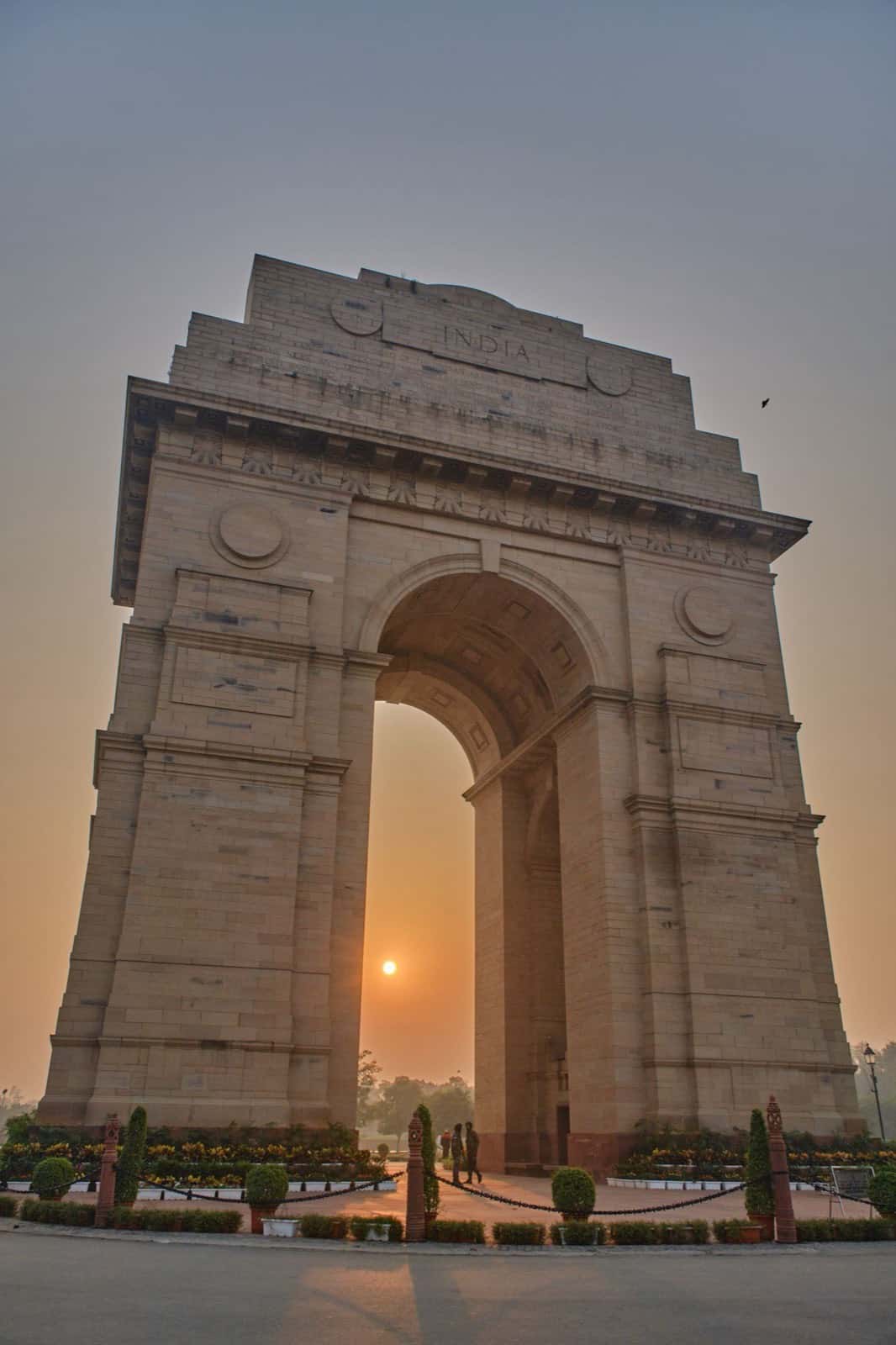
Air quality in India changes a great deal with the season and the city. On most days in most places it is a minor concern, but in north India in winter it can be poor for weeks. Knowing how to check it, and what simple steps help, lets you plan calmly.
General information, not medical advice. Follow your treating doctor on anything about your health, medicines or when you can travel. Prices are approximate ranges, checked in November 2026, and change often. Confirm before you pay.
Watch
Captions where the publisher provides them. Video in English. Plays from YouTube in privacy-enhanced mode. Nothing loads from YouTube until you press play.
Why air quality matters for patients
Polluted air contains tiny particles, known as PM2.5particles 2.5 micrometres across or smaller, fine enough to reach deep into the lungs, along with gases from traffic and industry. The World Health Organization links long-term exposure to fine particles with heart disease, stroke and lung disease.
A short stay for treatment is not the same as living with pollution for years. Still, people who already have lung or heart conditions, older adults, young children and people recovering from surgery can feel the effects sooner, for example as coughing, a tight chest or breathlessness. Your treating doctor knows your condition and can tell you what precautions make sense for you.
When and where the air is worse
In Delhi NCR and much of the north Indian plains, air quality usually worsens from about October to January. Several things combine in these months. The burning of crop stubble in neighbouring states after the harvest adds smoke. Cold, still air near the ground traps pollution in a temperature inversiona layer of warmer air above cooler air that acts like a lid and stops pollution rising and spreading. Wind speeds are low, and emissions from traffic, construction dust, heating and festival fireworks add to the load.
Coastal cities such as Mumbai and Chennai usually have cleaner air than Delhi NCR in winter, because sea breezes help disperse pollution, though some days can still be poor. During the monsoon months, rain washes particles out of the air and quality across most of India is generally better.
| Region | Usually better | Usually worse |
|---|---|---|
| Delhi NCR and north Indian plains | Monsoon, roughly July to September | Roughly October to January |
| Kolkata | Monsoon months | Winter months |
| Mumbai and Chennai (coastal) | Monsoon months | Some winter days, usually less than Delhi NCR |
| Bengaluru and Hyderabad | Monsoon months | Some dry-season days |
If your treatment is planned rather than urgent, and you have a lung or heart condition, it is reasonable to ask your doctor whether the timing or the city of your stay makes a difference. For the climate side, see weather and seasons.
How to read India’s AQI
India uses the National Air Quality Indexa single number from 0 to 500 published by the Central Pollution Control Board, combining up to eight pollutants, run by the CPCBCentral Pollution Control Board, India’s national pollution regulator. It turns measurements of pollutants such as PM2.5, PM10, nitrogen dioxide and ozone into one number and one of six categories.
| AQI | Category | Likely health impact |
|---|---|---|
| 0–50 | Good | Minimal impact |
| 51–100 | Satisfactory | Minor breathing discomfort for sensitive people |
| 101–200 | Moderately polluted | Breathing discomfort for people with lung disease such as asthma; discomfort for people with heart disease, children and older adults |
| 201–300 | Poor | Breathing discomfort for most people on prolonged exposure |
| 301–400 | Very poor | Respiratory illness on prolonged exposure |
| 401–500 | Severe | Affects healthy people and seriously affects those with existing disease |
Different apps can show very different numbers for the same place. Some international apps use the United States AQI scale, which is calculated differently from India’s. For Indian figures, use the official CPCB sources below, and compare like with like.
How to check the air each day
- Sameer app: the CPCB’s free app for Android and iPhone shows the AQI by city and by monitoring station, updated through the day.
- CPCB AQI bulletin: the CPCB publishes a daily AQI bulletin for cities across India on its website.
- CPCB live AQI portal: shows readings from individual monitoring stations, so you can look at the one nearest your hospital or flat.
- Local news: Indian newspapers and TV report the AQI daily in winter, and announce restrictions in Delhi NCR.
Readings change during the day. In north Indian winters, early mornings and late evenings are often worse, and afternoons are often a little better. A quick look before a walk or a trip helps you choose the time.
Masks and indoor air purifiers
Masks
Ordinary cloth and surgical masks do little against fine particles. Respirator masks such as N95a US standard for masks that filter at least 95 per cent of airborne particles when fitted well or FFP2the European equivalent standard, filtering at least 94 per cent of particles work much better, but only if they fit closely.
- Choose a mask that covers the nose and chin, and press the metal strip around your nose.
- Check the fit: when you breathe out, little air should escape around the edges.
- Beards and loose fits let air leak in and reduce protection.
- Replace the mask when it is damp, dirty or harder to breathe through.
- If you have a lung or heart condition, ask your doctor whether a respirator mask is suitable for you, as some people find them hard to breathe through.
Indoor air
Air indoors is usually cleaner than outside if doors and windows are kept closed on bad days. Hospitals manage their own air systems. For a hotel room or flat, a portable air purifier with a true HEPA filterhigh-efficiency particulate air filter, a dense filter that traps very fine particles can help in the room where you sleep. Many hotels in north Indian cities can provide one on request in winter.
Simple steps on a poor-air day
- Check the AQI on the Sameer app or the CPCB bulletin in the morning
- Keep windows closed and run an air purifier if you have one
- Move walks and errands to the cleaner part of the day, or walk indoors
- Wear a well-fitted N95 or FFP2 mask outdoors
- Avoid walking along busy roads and avoid smoke from burning rubbish
- Keep your usual inhalers and medicines with you, as prescribed
- Tell your doctor about any new cough, wheeze, chest pain or breathlessness
If you have a heart or lung condition
Patients with asthma, COPDchronic obstructive pulmonary disease, a long-term lung condition that makes breathing difficult, heart disease or those recovering from heart or lung surgery are among the groups the CPCB categories describe as more sensitive. This does not mean you cannot come, but planning helps.
- Bring enough of your regular medicines and inhalers, and ask your doctor at home whether you need a written action plan for flare-ups.
- Ask your treating doctor in India whether you should limit time outdoors during your stay.
- Follow the hospital’s advice on breathing exercises and walking after surgery. Hospital corridors are a good place to walk on high-pollution days.
- Seek help quickly if symptoms get worse. Call 112 in an emergency, or see our emergency page.
This guide gives general information only. Your treating doctor decides what is safe for you, including when to go outside and when you are fit to fly home.
GRAP in Delhi NCR
Delhi NCR has an emergency plan for bad air called the GRAPGraded Response Action Plan, a set of anti-pollution measures that switch on as the AQI rises. It is run by the Commission for Air Quality Management (CAQM), which announces each stage.
| Stage | AQI level | What visitors may notice |
|---|---|---|
| Stage I | Poor (201–300) | Dust control and stricter checks on polluting vehicles and open burning |
| Stage II | Very poor (301–400) | Further curbs, for example on diesel generators and some construction |
| Stage III | Severe (401–450) | Wider construction bans and limits on some older vehicles; schools may change hours or teach online |
| Stage IV | Severe plus (above 450) | The strictest curbs, including limits on truck entry; offices may be advised to work from home |
Measures add up as the stages rise. Hospitals, ambulances, pharmacies and other essential services keep running at every stage. Taxis and app cabs generally continue, though some older vehicles may be restricted. If you are travelling during a higher stage, allow extra time and check the latest CAQM order or local news.
Questions people ask
Is it safe to come to Delhi for treatment in winter?
Many patients are treated in Delhi NCR in winter. Air quality is often poor from about October to January, so check the AQI, limit time outdoors on bad days, and ask your treating doctor about any precautions for your condition.
Which number should I trust: the Sameer app or another app?
For India, use the CPCB’s Sameer app or the CPCB AQI bulletin, as they use India’s official National AQI scale. Other apps may use a different scale, so their numbers are not directly comparable.
Do I need an N95 mask?
On poor or worse days, a well-fitted N95 or FFP2 mask reduces the fine particles you breathe outdoors. If you have a lung or heart condition, ask your doctor whether a respirator mask suits you.
Will GRAP restrictions affect my hospital visits?
Hospitals and emergency services keep running under every GRAP stage. Traffic and some vehicle rules may change, so leave more time for journeys.
Sources
Official and reputable sources used for this guide. Links go to the original pages, which may be in English.
- Central Pollution Control Board: National Air Quality Index
- Central Pollution Control Board: daily AQI bulletin
- CPCB National AQI portal (live station data)
- Sameer: India’s AQI app from CPCB (Google Play)
- Indian Economic Service Arthapedia: National Air Quality Index categories and health impacts
- Commission for Air Quality Management in NCR and Adjoining Areas (GRAP orders)
- World Health Organization: Ambient (outdoor) air quality and health
- National Centre for Disease Control: Air pollution health advisory (2024)
Facts last checked: November 13, 2026
This is general information, not medical advice. Your own doctor decides what is right for you.
Want to talk about your own case?A care manager reads your reports and sends a written plan and quote. Sharing reports does not commit you to travel.