Chennai: a city guide for patients and companions
Chennai is a calm, warm coastal city that receives many international patients. It is easy to live in for a few weeks, but the rainy season comes late in the year, so plan around it.
General information, not medical advice. Follow your treating doctor on anything about your health, medicines or when you can travel. Prices are approximate ranges, checked in November 2026, and change often. Confirm before you pay.
Watch
Captions where the publisher provides them. Video in English. Plays from YouTube in privacy-enhanced mode. Nothing loads from YouTube until you press play.
Overview
Chennai is the capital of Tamil Nadu and sits on the Bay of Bengal. The local language is Tamil. English is widely used in hospitals, hotels and shops. Some hospitals can arrange interpreters for other languages, so ask your hospital which languages it can support before you travel.
The city spreads south and west from the old centre. Many newer hospitals and offices are along the southern and western roads, while older ones sit nearer the centre. As in every Indian city, the best place to stay is close to your hospital.
Hospital districts
These are areas where several large hospitals are found, not recommendations. Compare hospitals on our hospitals page and ask each one for a written treatment plan.
- Central Chennai: Greams Road, Thousand Lights and Teynampet, near Anna Salai (Mount Road), with long-established hospitals and many guest houses.
- West: Vadapalani and Porur, now linked by the new metro line, with large hospitals and residential stays.
- South: Adyar and Guindy, plus the OMROld Mahabalipuram Road, the IT corridor running south along the coast corridor around Perungudi and beyond.
Around the main hospital areas you will find pharmacies, money changers, small hotels and restaurants used to international families.
Where to stay
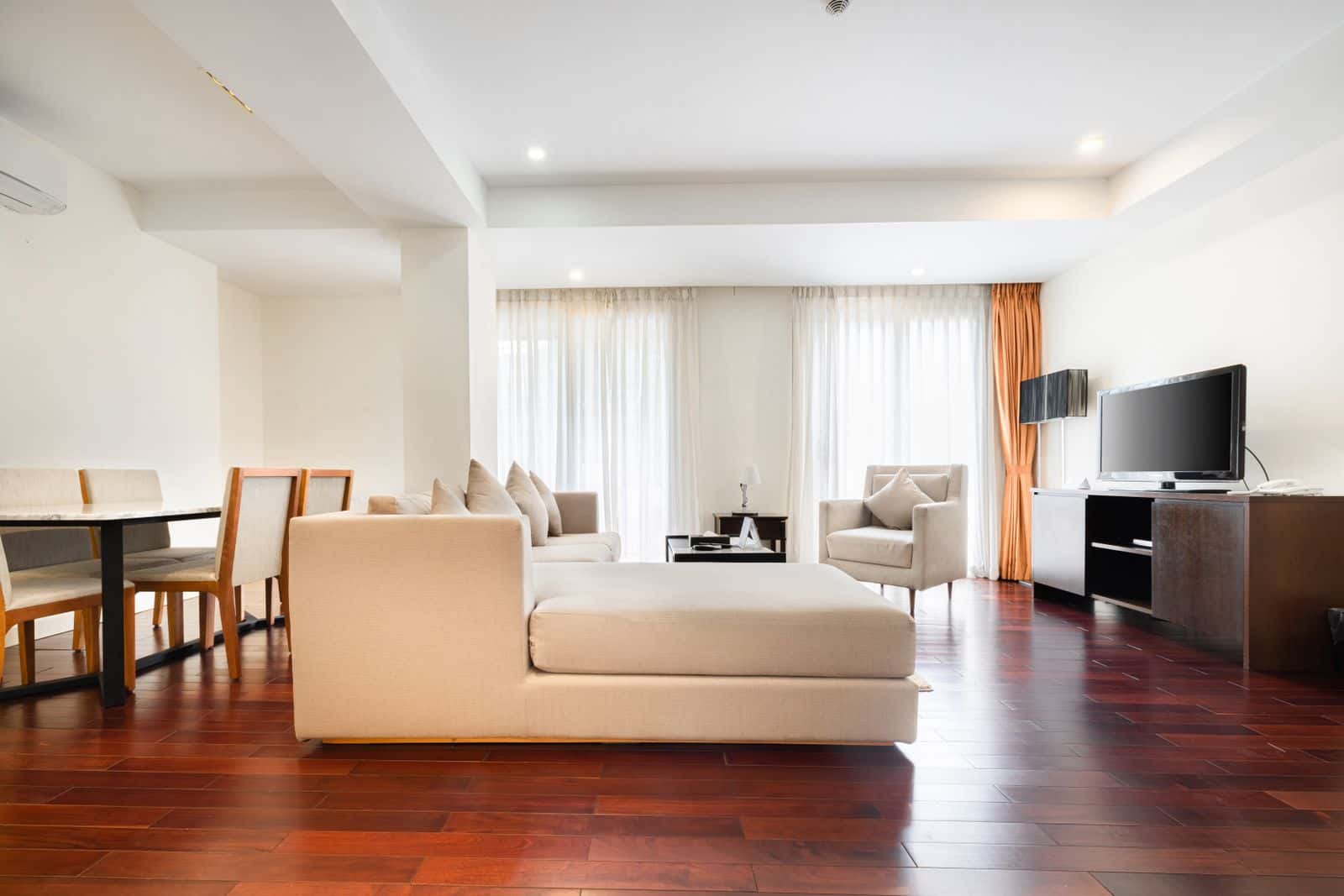
Chennai has many serviced apartments and guest houses near hospitals, often with simple kitchens. For longer treatments, an apartment usually works out cheaper and lets you cook food you know. Read our where to stay guide for what to ask before you pay. Before you book, ask for recent photos of the actual room, the lift and the bathroom, and confirm in writing whether the price includes daily cleaning, fresh linen, Wi-Fi and airport pick-up. Ask how long the trip to the hospital entrance takes at rush hour, in minutes rather than kilometres, and whether a pharmacy and a grocery shop are within walking distance.
Before you book a room in Chennai
- Check the travel time to the hospital at clinic hours.
- Ask whether the street floods during heavy rain if you come between October and December.
- Make sure the room has air conditioning and power backup.
- Ask if the stay is registered to host foreign guests and files the Form Cthe online form a hotel or guest house uses to report a foreign guest’s stay to the immigration authorities for you.
- Keep the address in English and Tamil for drivers.
- Check whether there is a lift if the patient cannot use stairs.
Near the central hospitals, lanes off Greams Road and Anna Salai have many small hotels and furnished flats within walking distance or a short auto ride. Families treated in Vadapalani or Porur often stay in the surrounding residential streets, which are quieter and usually cheaper. Along OMR there are newer apartment blocks and business hotels, but trips into the city centre can be long at rush hour.
Some stays will ask for a passport copy, visa copy and a hospital letter when you check in. Keep a few printed copies with you for this.
Getting there and around
Chennai International Airport is in Meenambakkam in the south-west of the city, with international and domestic terminals side by side. It has its own metro station, so you can reach the centre by train or by taxi.
Chennai Metro (CMRLChennai Metro Rail Limited, which runs the city’s metro) has two main lines from its first phase. The Blue Line runs from Wimco Nagar in the north through the city centre and along Anna Salai to the airport. The Green Line runs from Chennai Central to St Thomas Mount via Koyambedu. In October 2026, the first part of the second phase opened, an elevated line from Poonamallee Bypass through Porur to Vadapalani, with a skywalk to the existing Vadapalani station.
The MRTSMass Rapid Transit System, an older elevated suburban line from Chennai Beach to Velachery is still run by Southern Railway. It is due to be handed over to CMRL and upgraded over the next few years, so services may change. Ordinary suburban trains also run on several routes.
| Option | Good for | Things to know |
|---|---|---|
| Prepaid or app taxi | Arrival, patients, discharge day | Use the official pickup zones at the airport. |
| Chennai Metro | Airport, centre, Vadapalani, Porur, Koyambedu | Air-conditioned, lifts at stations, a women-only coach. |
| MRTS and suburban trains | Fit companions on fixed routes | Cheaper but older stations; not always step-free. |
| Autorickshaws | Short trips | Use the app or agree the fare before you start. |
| Hospital transport | Airport pickups and check-ups | Ask the international desk what it offers. |
For more on tickets, cards and apps, see getting around.
Food
South Indian food is the everyday food here: idli, dosa, rice with sambar and rasam, curd rice and fresh coconut. Much of it is light and easy to digest, which many patients like. Chettinad dishes from southern Tamil Nadu are spicier. North Indian, Chinese-style and Arab dishes are easy to find near hospital areas.
Halal food is widely available, especially around Triplicane, Anna Salai and many restaurants near the main hospital areas, and biryani is popular across the city. Vegetarian restaurants are everywhere. Follow the diet your treating team gives you, drink sealed or filtered water, and read our food and water guide.
Weather and air quality
Chennai is hot for much of the year. Unlike most of India, it gets most of its rain from the northeast monsoonthe rainy season on India’s south-east coast, roughly October to December. Heavy rain and cyclones from the Bay of Bengal can flood roads for a day or more, and the city has seen serious floods in some years.
| Months | What to expect |
|---|---|
| January to March | Warm and fairly dry; usually the most comfortable time. |
| April to June | Very hot and humid. |
| July to September | Hot with some rain. |
| October to December | Northeast monsoon: heavy rain, possible cyclones and flooding. |
Follow the India Meteorological Department and local authority warnings. Keep medicines, documents and phone chargers ready, store some drinking water, and call the hospital before travelling. Do not walk through floodwater, especially with a wound or a catheter.
Air quality in Chennai is usually better than in north Indian cities, though it can dip on some winter days and around festivals. Check the official CPCB AQI and see our air quality guide and weather and seasons guide. In the hot months, drink plenty of fluids unless your doctor has limited them.
Traffic and safety
Traffic is heavy at peak hours on Anna Salai, the OMR corridor and roads around Koyambedu and Guindy. Metro construction still narrows some roads. Chennai is generally considered a safe and friendly city for visitors, but take the usual care with phones and bags and use app cabs at night.
- In an emergency, call 112. 108 is the emergency ambulance number in Tamil Nadu, as in most states.
- Save your hospital’s international desk number and your stay’s address in your phone.
- Carry a copy of your passport, visa and hospital letter when you go out.
Read traffic and safety and keep our emergency page handy.
Questions people ask
Can I take the metro from the airport?
Yes. The airport has a metro station on the Blue Line. With a patient or heavy bags, a prepaid or app taxi is usually easier.
Is it a problem to come during the monsoon?
Hospitals stay open, but heavy rain from October to December can flood roads and delay flights. If your dates are flexible, ask your doctor whether another time suits you.
Is halal food easy to find?
Yes. Halal restaurants are common, especially in central Chennai and near the main hospital areas.
Where do I start with visas?
Read our visa guide for the e-Medical and Medical Attendant visas, then use the checklist.
Sources
Official and reputable sources used for this guide. Links go to the original pages, which may be in English.
- Chennai Metro Rail Limited: official website
- Airports Authority of India: Chennai International Airport
- Southern Railway: Chennai suburban and MRTS services
- India Meteorological Department: Regional Meteorological Centre, Chennai
- Central Pollution Control Board: National Air Quality Index
- Emergency Response Support System (112 India)
Facts last checked: November 13, 2026
This is general information, not medical advice. Your own doctor decides what is right for you.
Want to talk about your own case?A care manager reads your reports and sends a written plan and quote. Sharing reports does not commit you to travel.