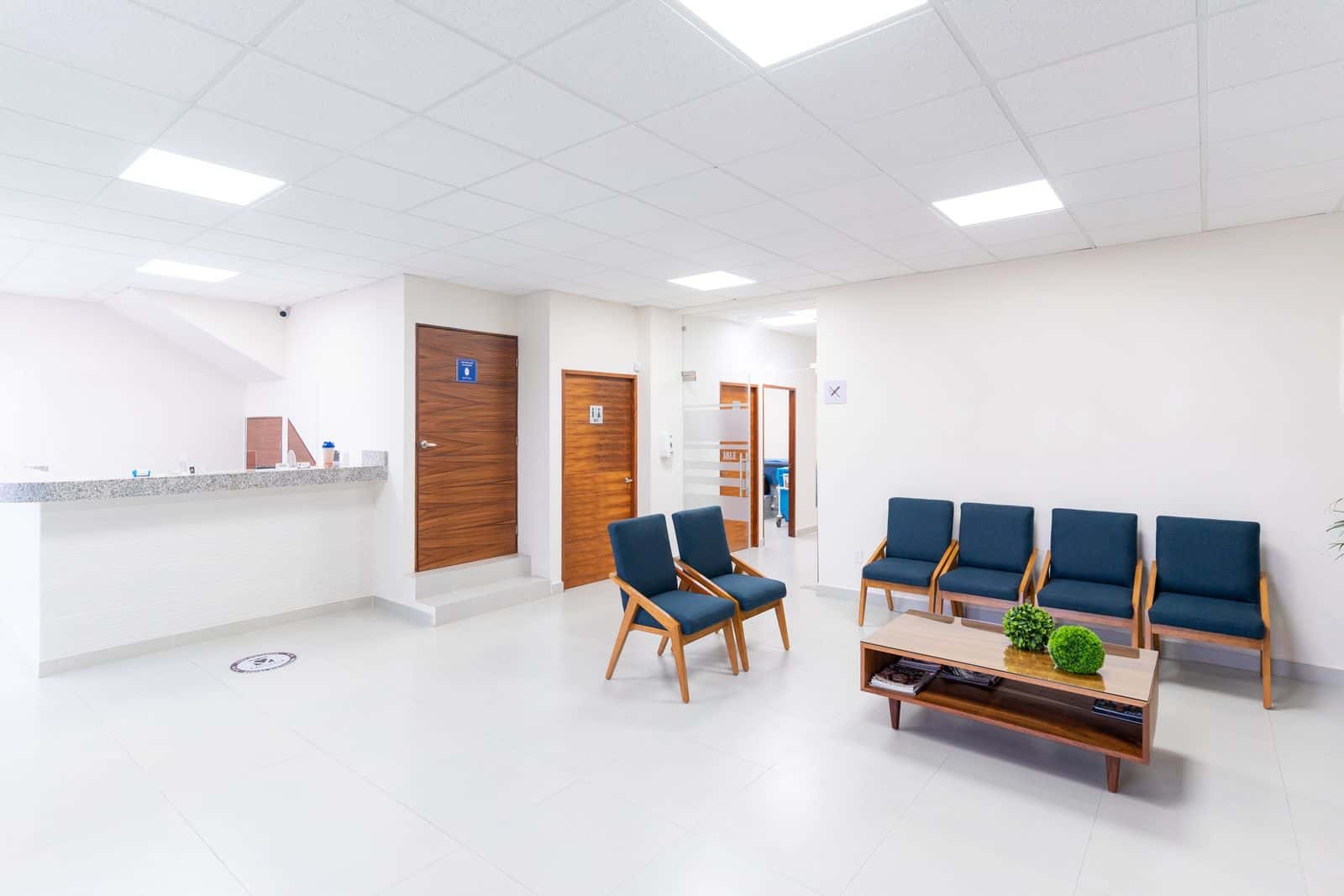
Where to stay during treatment in India
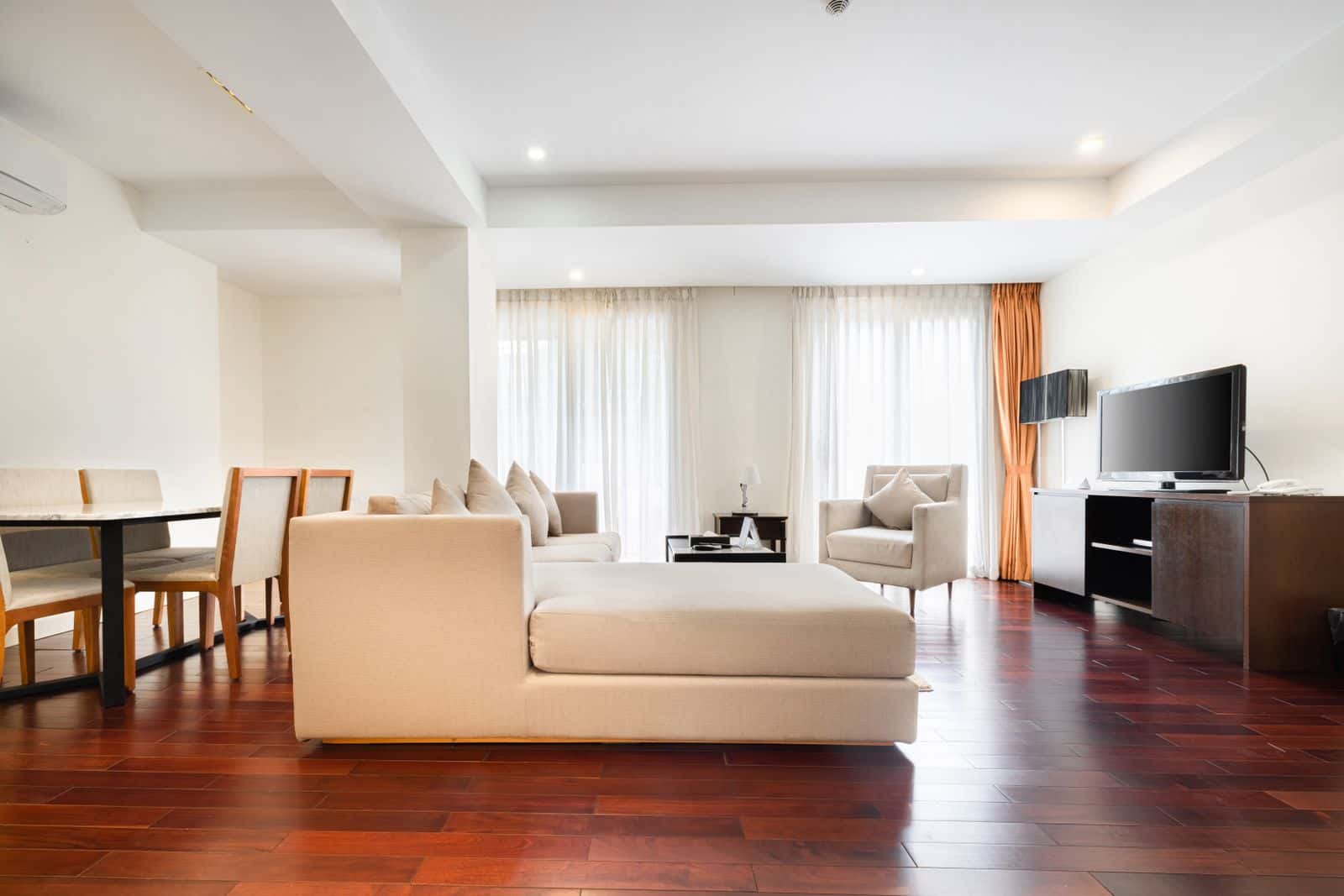
Where you sleep shapes how well you recover. A room that looks fine for a holiday can be hard work after surgery if there is no lift, the bathroom has a step, or the hospital is an hour away in traffic. This guide helps you choose a place that suits the patient and the family.
General information, not medical advice. Follow your treating doctor on anything about your health, medicines or when you can travel. Prices are approximate ranges, checked in November 2026, and change often. Confirm before you pay.
Your main options
Most patients spend some nights in hospital and some nights outside it: before admission, after discharge, and during follow-up visits. Many families choose a place near the hospital for the whole stay. Large hospitals in India are surrounded by hotels, serviced apartmentsfurnished flats rented by the night or week, with cleaning and often a small kitchen and guest houses that cater to patients.
| Type | Good for | Watch out for |
|---|---|---|
| Hotel | Short stays, first nights, patients who want meals and daily cleaning | Little space for a carer; no kitchen; cost adds up over weeks |
| Serviced apartment | Stays of a week or more, families, special diets | Quality varies a lot; check lift, cleaning and who to call at night |
| Guest house | Lower budgets, companions, short stays | Often no lift; shared spaces; ask about hygiene and power back-up |
| Hospital attendant bed | One companion staying with an admitted patient | Rules on visitors and food differ by hospital; ask before you arrive |
International patient desks often know which nearby places other patients have used, and which have lifts and step-free access. Their suggestions are a starting point, not a guarantee, so still check the details yourself.
Location: count minutes, not kilometres
In Indian cities, a short distance on the map can take a long time by road, especially at rush hour or when it rains. A place 3 km away across a busy junction can take longer to reach than one 6 km away on a clear road. When you compare options, ask: how many minutes by car at the time I will travel?
- Check the drive time on a map app at the hour of your appointments, not at midnight.
- Find out which hospital gate you will use; large campuses have several entrances.
- A place within walking distance helps companions who go back and forth several times a day, but only if the footpath is safe and lit.
- Look for a pharmacy, a grocery shop and somewhere to eat within a few minutes.
Our guide to traffic and safety explains realistic travel times in big cities.
What to check for recovery
Ask these questions by message before you book, and ask for photos or a short video call of the room, bathroom and entrance. Written answers help if something is not as promised.
Room checklist for a patient after surgery
- A working lift, or a ground-floor room, with no steps from the street to the door
- Step-free entrance that a wheelchair or walker can use
- Bathroom without a step into the shower; grab rails if possible; non-slip floor
- A Western-style toilet, if the patient needs one
- Clean bedding and towels, changed regularly, and a cleaning schedule you can see
- Air conditioning or a heater that works, depending on the season
- Power back-upa generator or inverter that keeps lights, fans and the lift working during a power cut for the room and the lift
- Safe drinking water: sealed bottled water or a working water purifier
- A kitchen or kitchenette, if the patient has a special diet
- Reception or a caretaker reachable 24 hours a day
- Reliable Wi-Fi for video calls with family and doctors
- A quiet room, away from a main road or a construction site
Your doctor or nurse may give specific advice about stairs, bathing, wound care or diet after discharge. Choose a place that lets you follow that advice, and ask the care team if you are not sure a room is suitable.
What carers and companions need
Companions often spend long days at the hospital and short nights in the room. Their comfort affects the patient too. When you compare places, think about:
- A proper bed for the carer, not just a sofa, for stays longer than a few nights
- Laundry, either a washing machine or a reliable service, especially after surgery
- Cooking for home-style food, or restaurants nearby that can cook simply
- Space to store medicines, dressings and a small fridge if medicines must be kept cool
- Safe travel between the room and the hospital at night
- A rest now and then: a short walk, a quiet café, a call home
Our companion guide has more on looking after yourself while caring for someone.
Registration of foreign guests
Indian law requires places that accommodate foreigners to report them. Under the Immigration and Foreigners Act 2025 and its rules, hotels, guest houses, homestays, rented flats and hospitals must report a foreign guest’s arrival online within 24 hours, using the form long known as Form Cthe official guest registration form for foreigners, filed by the accommodation provider on the e-FRRO system. Departures are reported too.
- You will be asked for your passport and visa, and sometimes a photo. This is normal and required.
- The host files the report, not you. Hospitals report admitted patients and companions who stay overnight.
- If you rent a private flat, ask the owner or agent how they will file the report. Choose hosts who are willing to do it properly.
- If you move to a new address, the new host reports you again.
Stays of several weeks
Some treatments, such as transplants, cancer care or rehabilitation, need several weeks or months in India. For a long stay, the practical details matter more than the look of the room.
- Ask for a weekly or monthly rate. Many serviced apartments and guest houses offer lower rates for longer stays.
- Agree how electricity is charged. In some flats, electricity is billed separately by meter reading, and air conditioning can add a lot.
- Plan for change. Treatment plans can move. Ask whether you can extend, shorten or switch rooms, and how much notice you must give.
- Think about infection risk. Patients with low immunity may need a very clean, quiet place without shared kitchens or bathrooms. Ask the care team what they recommend.
- Keep your visa in mind. A long stay may need registration or an extension. See arriving in India and our visa guide.
Booking safely
- Book through a known booking platform or directly with an established business, and read recent reviews from other patients.
- For long stays, ask for a written agreement that states the price, what is included (cleaning, electricity, Wi-Fi, laundry) and the cancellation terms.
- Avoid paying the whole of a long stay in advance. Pay for the first week, then continue if the place is right.
- Pay by card or a traceable transfer, and keep every receipt. Some insurers cover accommodation and will want proof.
- Ask what happens if your treatment dates change; hospital plans sometimes move by a few days.
If a driver or stranger tells you your hotel is closed, full or unsafe and offers another, do not change plans. Call the hotel yourself using the number in your booking.
Questions people ask
Can a family member stay with the patient in hospital?
Many hospitals in India allow one attendant to stay in the patient’s room, often on a sofa bed. Rules differ, especially in intensive care. Ask the hospital before you travel.
Is it cheaper to rent a flat than to stay in a hotel?
For stays of several weeks, a serviced apartment or flat is often cheaper per night and gives you a kitchen. For a few nights, a hotel is simpler. Compare the total cost, including cleaning, laundry and transport.
Why does my host need my passport?
Indian law requires hosts to report foreign guests to the immigration authorities within 24 hours. They will usually copy your passport and visa pages and return the passport to you.
How close to the hospital should I stay?
Aim for a place you can reach comfortably by car, in minutes rather than kilometres, at the time of day you will travel. After surgery, a shorter, smoother drive matters more than a cheaper room.
Sources
Official and reputable sources used for this guide. Links go to the original pages, which may be in English.
- Eastern Mirror: under the Immigration and Foreigners Act 2025, hotels, homestays and hospitals must report foreigners within 24 hours (Form-III, earlier Form C)
- e-FRRO: online services for foreigners and accommodation providers
- Bureau of Immigration, Ministry of Home Affairs
- Fragomen: India’s new immigration law and stricter registration and reporting rules
Facts last checked: November 13, 2026
This is general information, not medical advice. Your own doctor decides what is right for you.
Want to talk about your own case?A care manager reads your reports and sends a written plan and quote. Sharing reports does not commit you to travel.