City guide: Hyderabad for patients and families
Practical notes on arriving in Hyderabad, where hospitals and stays cluster, getting around, the hot and monsoon seasons, food and languages, written for patients and attendants.
Hyderabad is the capital of Telangana in south-central India. It is a large city with an old quarter around the historic centre and newer districts to the west. Our directory lists hospitals in Hyderabad, and international patients travel there for treatment. This guide is for patients and attendants planning a stay. It is a practical overview and not a ranking of hospitals or areas. Your care manager confirms the details of your own arrangements.
The information here is general and changes over time. Confirm hospital addresses, airport arrangements and local rules with your care manager before you travel.
Arriving
International flights arrive at Rajiv Gandhi International Airport (HYD), at Shamshabad, south-west of the city. If you travel on an e-Medical visa, carry the printed approval email, your passport and the hospital's letter, and check that the airport is on the official list of designated entry points on the visa portal. Our visa guide explains the steps.
Our team arranges an airport pickup. Agree the meeting point in advance, and save your coordinator's number. The drive from the airport into the city is usually a road journey of some length, and time depends on the destination and the traffic. Ask your coordinator for an estimate for your hospital and arrival hour.
Where hospitals and stays cluster
Hospitals that treat international patients are spread across several districts. Some are in the central and western parts of the city. Many visitors choose a stay in the same district as the hospital to keep journeys short. Ask the hospital for its exact address and nearest landmark. Our hospital pages show each hospital's city, accreditations as supplied and specialties listed. We do not rank hospitals, and our compare tool places two side by side without a winner.
Where to stay
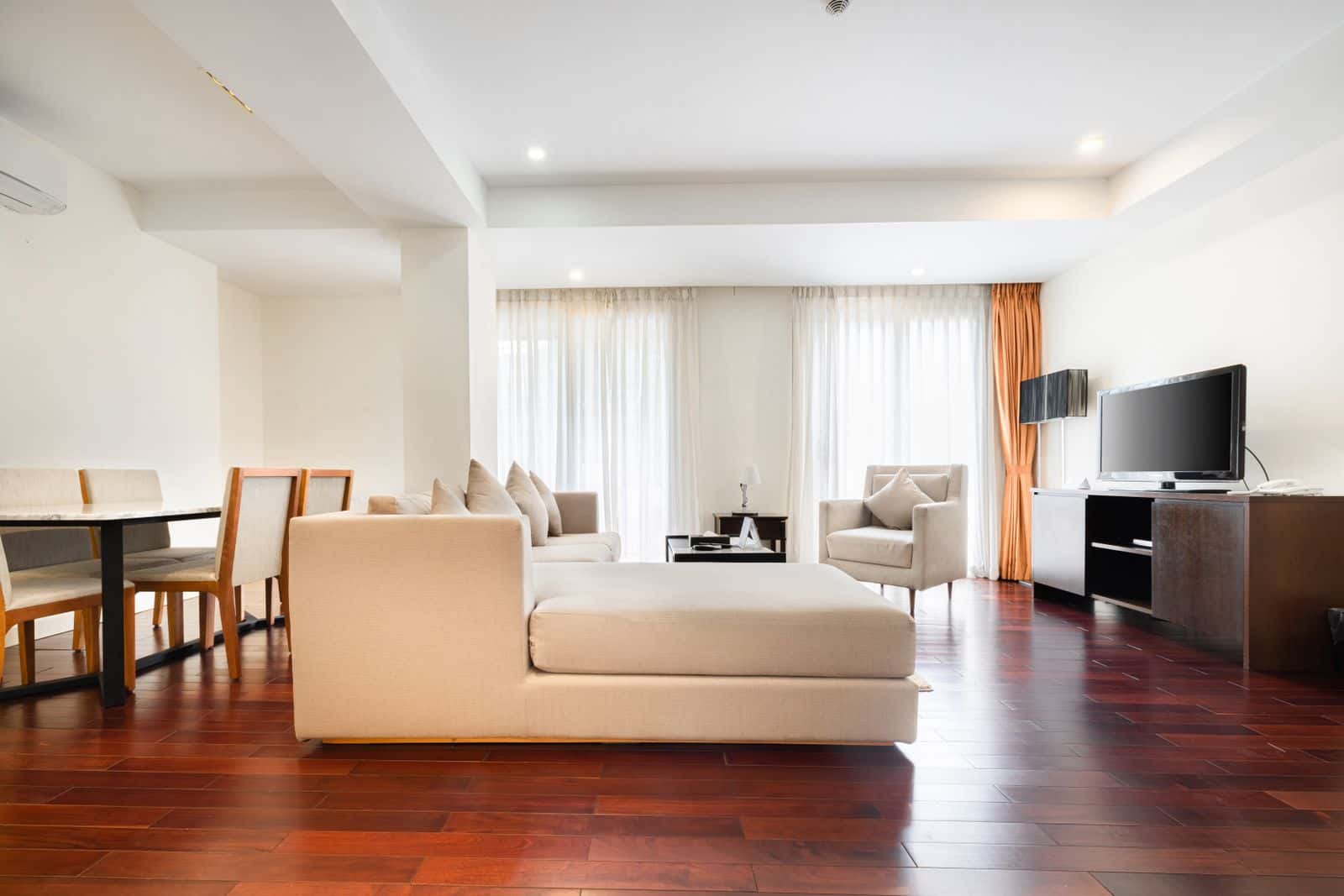
Options include guest houses, serviced flats and hotels. The estimator uses planning rates of about $28, $48 and $85 per night; real prices vary by area. A serviced flat with a small kitchen suits longer stays and families. Look for a lift, a bathroom without steps, air conditioning, backup power and 24-hour reception. Ask whether the property can arrange transfers to the hospital. Our care team can help with booking.
Getting around
- Arranged hospital transport is usually the easiest way to reach appointments. Ask your coordinator.
- App-based taxis and auto-rickshaws are widely used. Use the app fare or agree a price first.
- The metro serves parts of the city and can help attendants on some routes. Stairs and distances between stations and hospitals can tire patients.
- Allow extra time at peak hours, and keep short trips short while you recover.
Climate
Hyderabad has hot summers, a monsoon season and a milder winter. The hottest weeks usually come in the months before the rains, and the monsoon brings much of the year's rain from about June to September, sometimes in heavy showers. Light cotton clothing, a hat and an umbrella are practical, and in winter, evenings can be cool enough for a light jacket. Conditions vary from year to year. Choose your dates with your surgeon rather than for the weather alone, and drink fluids as your doctor advises in hot weather.
Food and drink
Hyderabad is known for its regional cooking, which includes rice dishes, meat and vegetarian dishes and many spiced foods. After surgery, follow the hospital's diet, since heavily spiced food can upset a recovering stomach. Ask the dietitian what suits your condition, and say if you need halal, vegetarian or low-salt meals. Drink water that is bottled, boiled or filtered, as advised, and eat freshly cooked food from places your coordinator recommends.
Language and communication
Telugu is the main language of the state. Urdu and Hindi are widely spoken in the city, and English is widely understood in hospitals, hotels and many shops. Ask the hospital about interpreter support for your language, and tell us if you need an interpreter for consent and discharge conversations. Save your hospital's address in English for drivers.
Money and payments
Carry a bank card that works internationally and tell your bank about the trip. Pay hospital charges to the hospital and keep every receipt. Do not pay anyone who offers a cash discount or asks for payment to a personal account. Our quote guide explains how to read a hospital quote.
Registration and rules
Depending on the conditions on your visa, you may need to register with the Foreigners Regional Registration Office after arrival. The hospital's international desk and your coordinator can help. Carry copies of your passport and visa, and keep the originals safe.
Safety and health
Use ordinary city precautions with valuables and transport. In an emergency in India, call 112, and keep your hospital's number saved. In hot weather, rest in the afternoon and avoid long walks outdoors while you recover. Tell your coordinator at once if you feel unwell.
For attendants
Attendants spend long hours at the hospital. Ask where you can rest, eat and wash clothes, and whether there is a family room. Learn the route between your stay and the hospital before the day of surgery. When your surgeon agrees, a short outing in the cooler evening can help you both recover.
Before you leave
Collect your discharge summary, scans, prescriptions and implant card. Confirm your flight date with your surgeon, book airport assistance if needed and allow plenty of time to reach the airport, particularly in the rainy season.
Sources
Links go to the original pages, which may be in English.
This is general information, not medical advice. Your own doctor decides what is right for you.
Want to talk about your own case?A care manager reads your reports and sends a written plan and quote. Sharing reports does not commit you to travel.