City guide: Delhi and the National Capital Region for patients and families
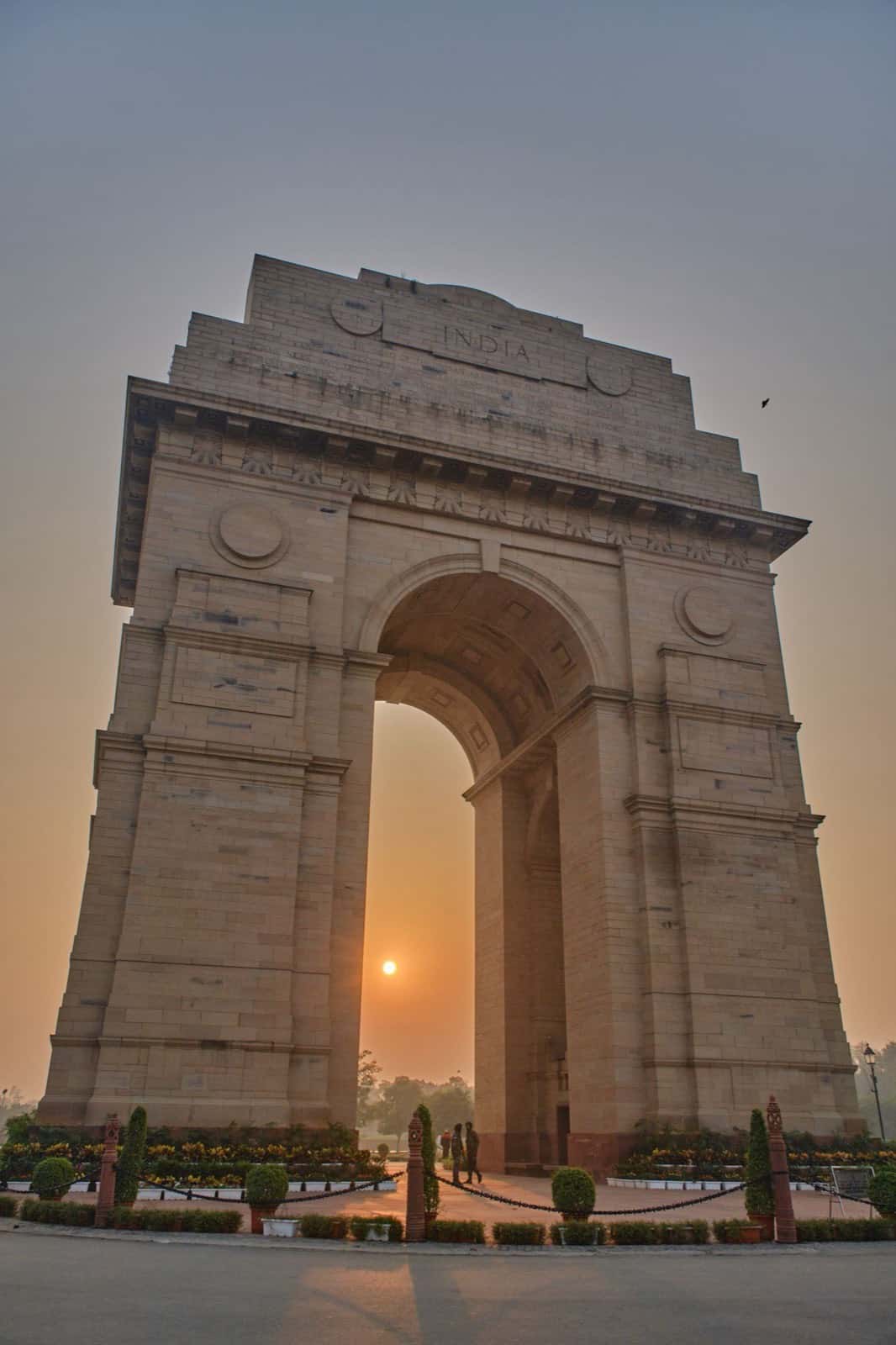
Practical notes on arriving in Delhi, staying near a hospital in Delhi, Gurugram or Noida, getting around, the seasons, food and language, written for patients and their attendants.
Delhi is India's capital and the centre of a large urban region, the National Capital Region (NCR), which includes Gurugram, Noida and Faridabad. Several hospitals that treat international patients are in the region, and our directory lists some in New Delhi and Gurugram. This guide is for patients and attendants who will travel to Delhi for treatment. It is a practical overview and not a ranking of hospitals or areas. Your care manager confirms the details of your own arrangements.
The information here is general and changes over time. Confirm hospital addresses, airport arrangements and local rules with your care manager before you travel.
Arriving
Most international visitors arrive at Indira Gandhi International Airport (DEL), which is in the south-west of the city. Immigration can take time at busy hours, so allow for it when someone meets you. If you travel on an e-Medical visa, bring the printed approval email, your passport and the hospital letter, and check that the airport is on the list of designated entry points on the official portal. Our visa guide explains the steps.
Our team arranges an airport pickup, and the driver or representative holds a sign with your name. Agree the meeting point in advance, and keep your coordinator's number on your phone. The journey from the airport to hospitals in the region can take from under an hour to well over an hour, depending on the traffic and the time of day.
Where hospitals are
Hospitals that serve international patients are spread across the region. Some are in central and south Delhi, others in Gurugram to the south-west and in Noida to the east. Distances are greater than they look on a map, and traffic can slow journeys. Ask the hospital for its address and the nearest metro station or landmark, and book your stay close to the hospital to save travel when you are tired or in pain. Our hospital pages show the city for each listing, and our compare tool places two hospitals side by side without a ranking.
Where to stay
Patients usually choose one of three types of stay: a guest house, a serviced flat or a hotel. In the estimator, planning rates are about $28, $48 and $85 per night. A serviced flat with a kitchen suits long stays and families, since you can cook simple meals. Choose accommodation with a lift or ground-floor room, a bathroom without steps and 24-hour reception. Ask whether the property provides hospital transfers. Our care team can help to book.
Getting around
- Hospital cars and transfers. Many people use arranged transport for hospital visits. Ask your coordinator.
- App-based taxis and auto-rickshaws are widely used. Agree the fare or use the app's price.
- The Delhi Metro is extensive and affordable, but stairs, crowds and distances can be tiring after surgery. It is better suited to attendants or to the days before treatment.
- Walking is useful for recovery but pavements can be uneven, and traffic is heavy. Take care.
Seasons
Delhi has hot summers, a monsoon season and cool winters. Summer afternoons can be very hot, so plan indoor time and drink fluids as your doctor advises. In late autumn and winter, air quality can be poor on many days. If you have a heart or lung condition, or are recovering from chest surgery, ask your doctor how to plan, and check the day's air quality before outdoor walks. Winter mornings and nights can be cold, so pack layers. Choose your dates with your surgeon rather than for the weather alone.
Food and drink
Delhi has a wide range of food, from home-style vegetarian dishes to meat and many regional cuisines. After surgery your hospital may give you a diet. Follow it. Ask the hospital's dietitian what suits your condition, and say if you need halal, vegetarian or low-salt meals. Drink water that is bottled, boiled or filtered as advised, and choose freshly cooked hot food from reliable places. Ask your coordinator for suggestions near your stay.
Language and communication
Hindi and English are widely spoken in the city, and hospitals that treat international patients often have staff who speak other languages. Ask the hospital about its interpreter support for your language, and tell us in advance if you need an interpreter for consent and discharge conversations. Download a translation app and save your hospital's address in the local script for taxi drivers.
Money and payments
Bring a bank card that works internationally and tell your bank about your trip. Pay hospital charges to the hospital and keep every receipt. Be cautious of anyone who offers a discount for cash or asks for payment to a personal account. Our hospital quote guide explains how to read a quote.
Registration and rules
Some visa holders must register with the Foreigners Regional Registration Office after arrival, depending on the conditions on the visa. The hospital's international desk and your coordinator can help. Carry a copy of your passport and visa, and keep the originals safe.
Safety and health
Use ordinary city precautions: keep valuables out of sight, use registered taxis or the apps, and avoid walking alone at night when you are weak. For medical emergencies in India, call 112, and keep your hospital's number saved. Tell your coordinator at once if you feel unwell.
For attendants
Attendants spend long hours at the hospital. Find out where you can rest, eat and wash clothes. Ask whether the hospital has a family room. Learn the route between your stay and the hospital before the day of surgery. If there is time, a short visit to a nearby market or a park can help you recover too.
Before you leave Delhi
Collect your discharge summary, scans, prescriptions and implant card. Confirm your flight with your surgeon's agreement, and book airport assistance if you need it. Allow extra time to reach the airport, as traffic can be unpredictable.
Sources
Links go to the original pages, which may be in English.
This is general information, not medical advice. Your own doctor decides what is right for you.
Want to talk about your own case?A care manager reads your reports and sends a written plan and quote. Sharing reports does not commit you to travel.