Recovery after treatment in India and flying home

How to plan the days between discharge and your flight, what to ask your surgeon about timing, how to reduce travel risks and what to do after you land at home.
Surgery is only one part of treatment. The days after discharge and the journey home matter too. This guide explains how to plan recovery time in India, how to decide when to fly, and what to do after you get home. It is general information. Your surgeon and your own doctor decide what is right for you, and they know your health in a way no article can.
Do not book your return flight until your surgeon agrees to a date. Dates that are fixed too early are one of the most common reasons for stress after treatment.
Plan recovery time before you travel
Our cost estimator assumes a number of nights in India for each procedure that includes the hospital stay and time for recovery and check-ups before the flight home. For planning, these include about 16 nights for a knee replacement, about 21 for a bypass and about 18 for spinal fusion. They are planning figures. Your surgeon sets the real plan, and it can be longer.
Book an open or changeable return ticket if you can. Tell your family and employer that the date may move, and make sure your visa dates leave some room.
After discharge
When you leave the hospital you should receive a discharge summary, a list of medicines with doses and times, wound care instructions, a list of warning signs, the date of your next check-up and the number to call. Ask for the documents in a language you can read, or ask your interpreter to explain them before you leave.
Choose accommodation close to the hospital, with a lift or a ground-floor room, a bathroom you can use safely and meals you can eat. Your care manager can arrange transport to follow-up visits. Have an attendant with you for the first days.
What recovery usually involves
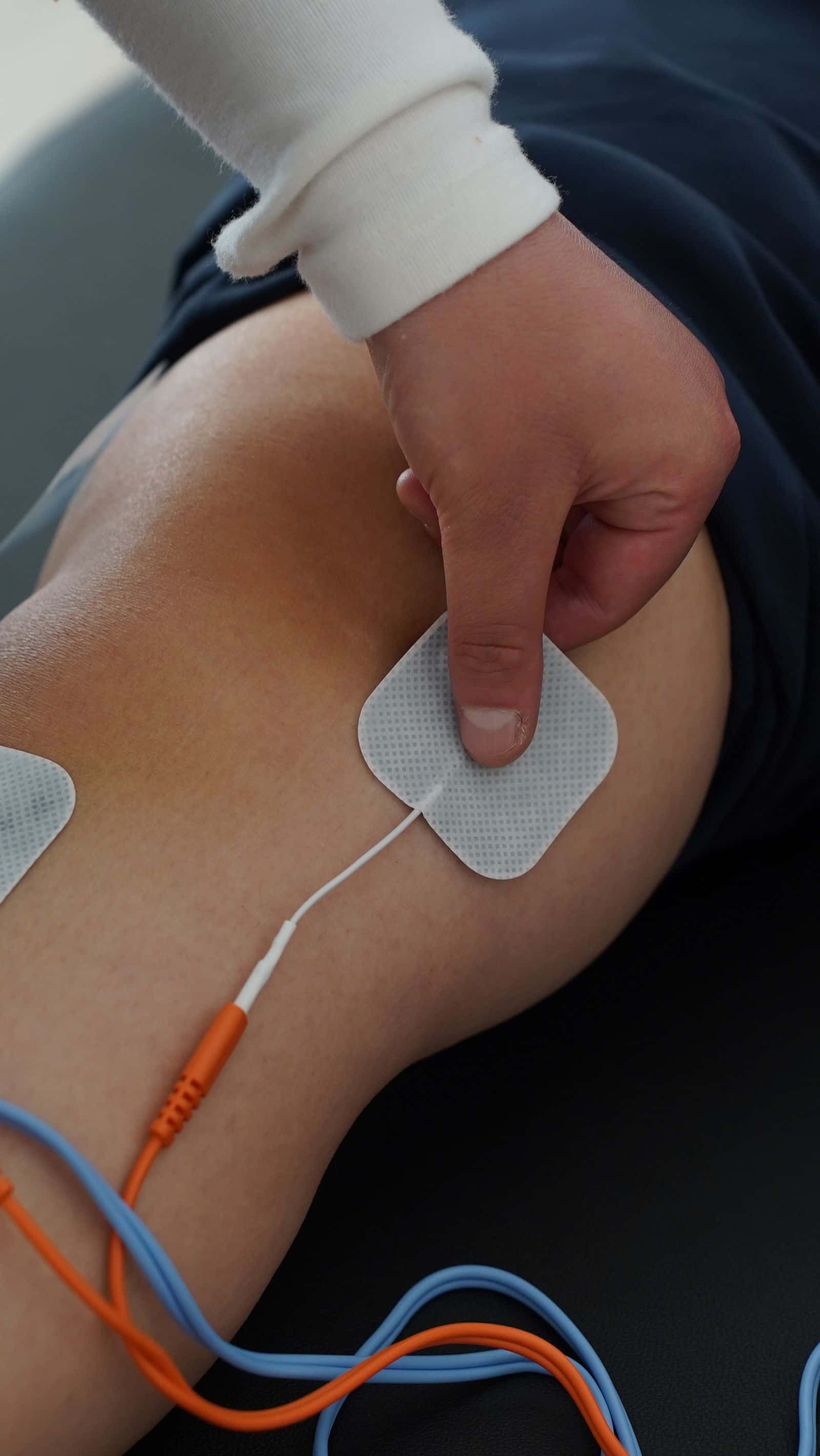
Each operation has its own pattern. After joint replacement you will usually do daily exercises with a physiotherapist. After heart surgery you will be advised on wound care, gradual activity and, often, a cardiac rehabilitation programme. After spine surgery you will be taught how to move, sit, stand and lift. Your team will give you a plan that is specific to you.
In all cases:
- take medicines exactly as prescribed;
- keep the wound clean and dry as instructed;
- walk and do exercises as advised, in short, frequent sessions;
- drink fluids and eat as your doctor recommends;
- rest, and expect to tire quickly;
- write down questions for the follow-up visit.
Warning signs
Contact the hospital the same day if you have fever, a wound that opens, leaks or becomes more red or painful, new swelling or pain in one leg, vomiting you cannot control, or any change that worries you. Seek emergency help immediately for chest pain, sudden breathlessness, fainting or coughing up blood. In India, the national emergency number is 112, and your coordinator will give you the hospital's own number.
When can you fly?
There is no single answer. It depends on the operation, how you are healing and your overall health. Some people can fly within a couple of weeks of a simple procedure, and others need longer. The surgeon decides, usually at a check-up shortly before the planned date. Ask for the clearance in writing and keep it in your hand luggage, together with a letter that describes your operation.
Reducing travel risks
Long flights and long journeys by car or train increase the risk of blood clots in the legs, particularly after surgery. The World Health Organization advises that people at higher risk should speak to a doctor before a long journey. Ask your surgeon:
- whether you need a blood-thinning medicine for the trip;
- whether compression stockings are advised;
- how often to stand and walk in the aisle;
- how much fluid to drink;
- which seat to choose.
An aisle seat helps you move. Ask the airline in advance about assistance with wheelchair transfers, boarding early and extra legroom if you need it. Tell the airline about any device you carry and keep your implant card ready for airport security.
Medicines and documents for the journey
Carry your medicines in your hand luggage with the original packs and prescriptions. Bring your discharge summary, scans on a disc or a drive, the surgeon's travel letter, the operation note, the implant card and the contact details of the hospital. Ask the hospital to send a copy to your local doctor before you arrive home.
Staying in touch from home
Ask the hospital how follow-up will work. Our Full care package includes aftercare calls for 30 days, and other packages do not. Many hospitals offer video follow-up. Agree in advance how you will send wound photographs, who will answer questions, and how quickly.
If you have a problem at home, see your local doctor or go to your local emergency department and show them the discharge summary. Tell the Indian hospital as well, so the team can advise.
Your local doctor
Before you travel, tell your local doctor where you are going and what you are having done. Ask whether they will see you when you get back, for dressing changes, blood tests or physiotherapy. Having an appointment waiting makes the transition smoother.
Looking after your mind
It is common to feel low, anxious or tired after major surgery and a long journey. Talk with your family and your doctor if the feeling lasts or interferes with your recovery. Ask your care manager about support, and do not hesitate to say if you are struggling.
A short checklist before you fly home
- Written clearance from your surgeon.
- Discharge summary, operation note and medicine list.
- Scans and reports on a disc or drive.
- Implant card, if you were given one.
- Enough medicines for the journey and for the days until your first local appointment.
- Airline assistance booked.
- A local appointment arranged.
If you are missing any item, ask for it before you leave the hospital and not after you are home.
Amounts in this guide are indicative planning figures in US dollars. The hospital's written quote is final.
Sources
Links go to the original pages, which may be in English.
This is general information, not medical advice. Your own doctor decides what is right for you.
Want to talk about your own case?A care manager reads your reports and sends a written plan and quote. Sharing reports does not commit you to travel.